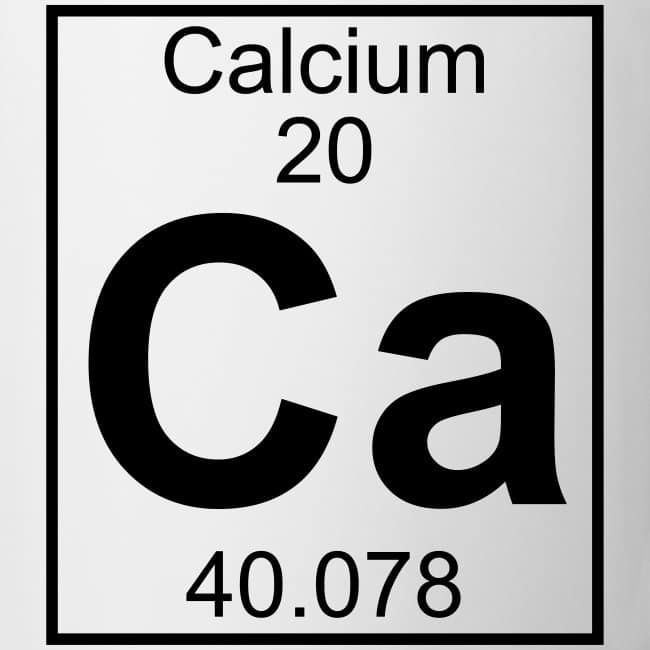
Calcium is an essential mineral that is needed for various bodily functions. The body stores almost all of it’s calcium in the bones and teeth to keep them strong. The body needs calcium to build and maintain strong bone health, involved in muscle contractions, nerve function by transmitting nerve impulses and also necessary for blood clotting. Calcium can be obtained from various foods. You can also choose to take calcium supplements. But it’s important to consult with a healthcare professional because an excessive intake can be harmful. If you have a health condition that causes excess calcium in your bloodstream called hypercalcemia, you should avoid calcium supplements.
When choosing calcium supplements it’s based on the amount of calcium needed, the body’s tolerability, prescriptions that are being taken, the quality and cost, supplement form and the absorption that your body must be able to absorb to be efficient. Their are several kinds of compounds that are used in the calcium supplements. Contact your health advisor to consider which ones you can take if you have any health and dietary concerns. The consumption of too much calcium has a risk and doesn’t provide any extra protection. On the flip side, for children, too little calcium can cause weak bones, poor growth and dental issues. As for adults it can cause low bone mass which is a risk factor for osteoporosis. (For more information on osteoporosis, read my articles which also includes foods for calcium intake). Find out how much calcium you require and check your food intake and supplements labels to monitor how much calcium your getting a day. Below are the requirements for calcium intake.
Men
19-50 / 1,000 mg
51-70 / 1,000 mg
70+ / 1,200 mg
Women
19-50/ 1,000 mg
51+/ 1,200 mg